

When humour meets strategy: Our roundup of the best April Fools' campaigns of 2026
April Fools’ Day is a tricky line to walk for brands. Get it right and you earn attention, goodwill and genuine engagement with your audience. Get it wrong and you risk confusion and loss of trust.
This year, a handful of brands showed how to do it well. The strongest April Fools’ campaigns of 2026 didn’t rely on shock value or tired pranks. Instead, they leaned into the essence of their brands using audience insight to engage with their customers and used humour to entertain.
Below is our round-up of the best April Fools’ campaigns of 2026 – and what made them work.
Dyson – Beauty pet range
Dyson has extended its beauty tech range into pet grooming, complete with a blow-dryer for dogs and cats. It was so on brand that it felt believable enough to make people pause before clocking that it was 1 April.
Why it worked: A perfect example of brand truth in action – the idea was absurd but grounded in Dyson’s reputation for engineering-led product extensions.

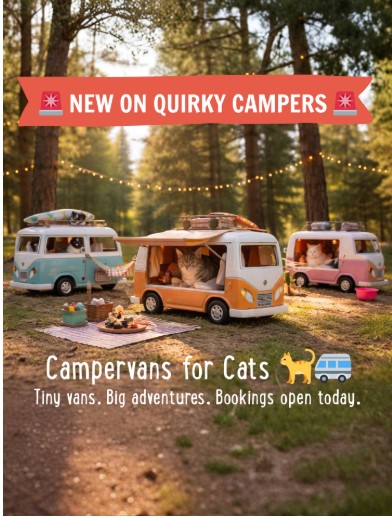
Quirky Campers – Campervans for cats
Launching tiny vans for big adventures with your furry friends, Quirky Campers leaned into playful, visual storytelling that felt entirely authentic to the brand.
Why it worked: This worked because it was simple, charming and instantly legible. The humour came from the idea itself, not from over-explaining the joke.
IKEA – Meatball lollipop
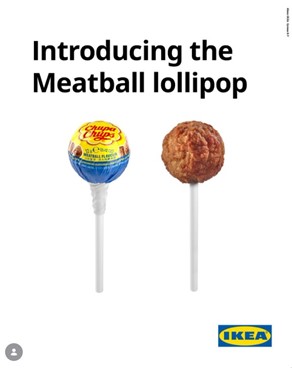
IKEA Australia introduced a new meatball lollipop: a playful twist on its most iconic menu item, reimagined as a treat on a stick.
Why it worked: It leaned unapologetically into IKEA’s cultural shorthand. Instantly recognisable, slightly absurd, and rooted in something audiences already associate with the brand. The idea didn’t need explanation – the joke landed as soon as you saw it.
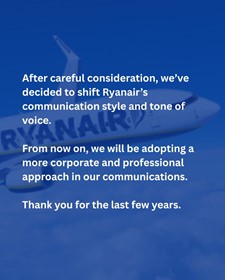
Ryanair – Social media update
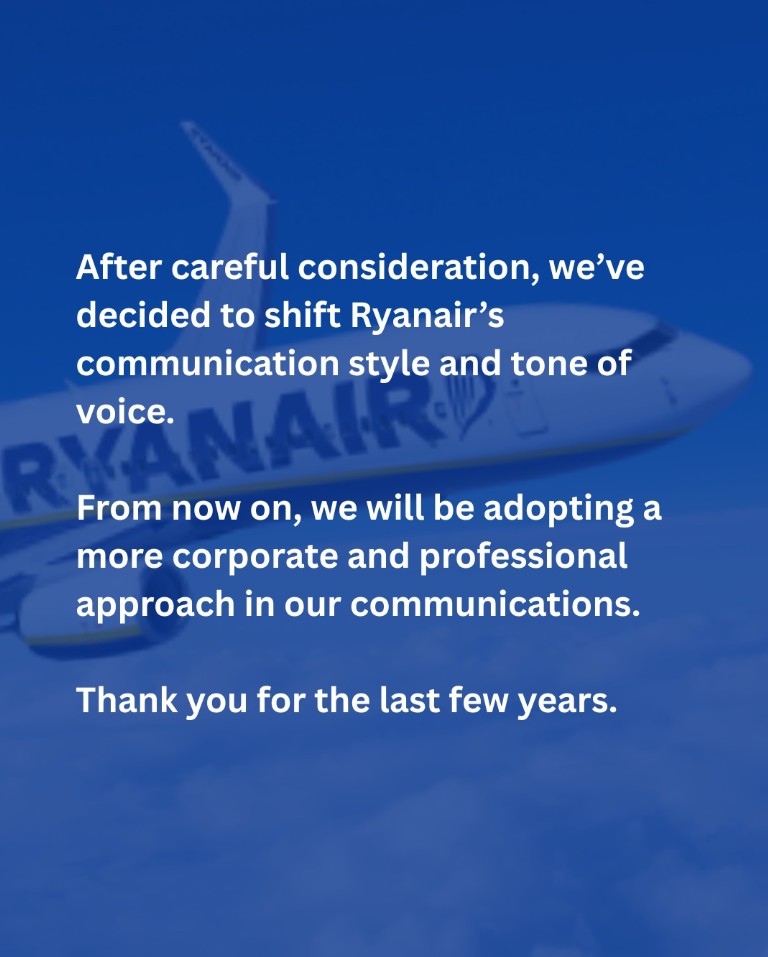
Ryanair once again demonstrated its mastery of social-first humour, sharing tongue-in-cheek posts that required minimal explanation and fully trusted its audience to get the joke.
Why it worked: Deadpan delivery, strong visual cues and absolute confidence in its brand voice. Ryanair didn’t try to ‘do April Fools’ – it simply showed up as itself.
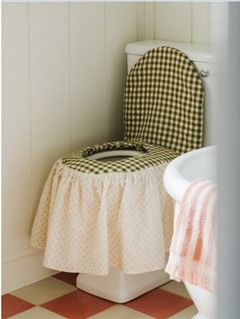
Piglet in Bed – Whimsy toilet seat covers
Piglet in Bed introduced toilet seat covers made from its iconic bedding fabrics. Unexpected but entirely on brand.
Why it worked: The idea felt like a natural extension of the product range, executed with the same design-led care customers expect from the brand.

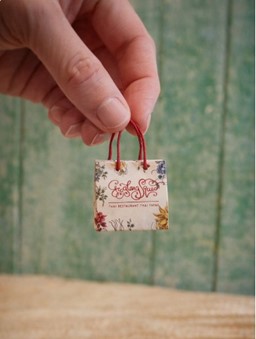
Giggling Squid – Thai-ny takeaway
The Giggling Squid restaurants introduced a Thai-ny takeaway, offering your favourite dishes in mini size.
Why it worked: The idea felt light‑hearted and instantly understandable, building on Giggling Squid’s existing reputation for small plates and shareable dishes. By exaggerating something already familiar, the brand created humour that felt inclusive rather than gimmicky.
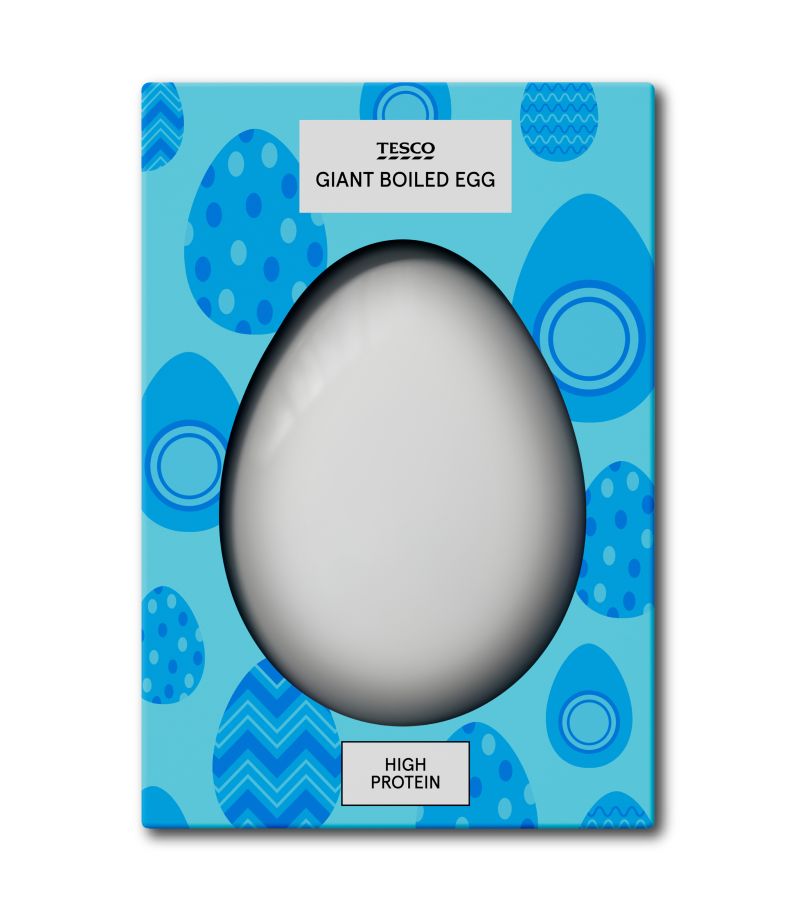
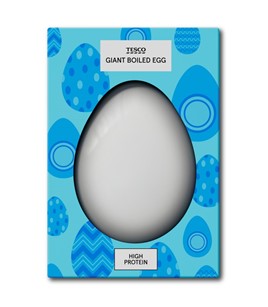
Tesco – Giant boiled egg
Tesco unveiled a giant boiled egg, framed as a protein‑packed innovation for fitness fans and meal‑prep enthusiasts.
Why it worked: It tapped into real customer insight and existing behaviour. By anchoring the joke in Tesco’s well‑known protein egg pots and Clubcard data, the idea felt plausible enough to spark a second look. The humour didn’t sit outside the brand - it exaggerated something Tesco already does well, making the joke feel confident rather than gimmicky.
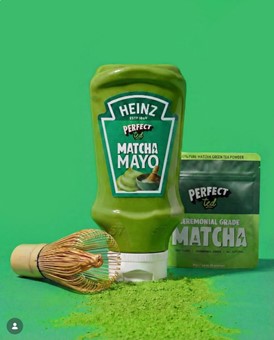
Heinz – Matcha mayo
Heinz introduced Matcha Mayo, blending its iconic mayonnaise with the internet’s favourite green obsession.
Why it worked: It sat perfectly at the intersection of trend awareness and brand confidence. Matcha is already synonymous with modern food culture, and by pairing it with a product Heinz is famously known for, the brand created something that felt just plausible enough to pause the scroll.
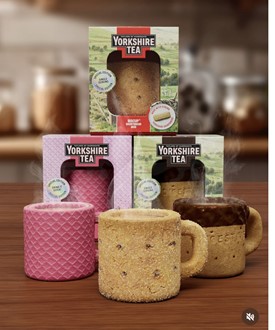
Yorkshire Tea – Microwaveable Brewpouch
Yorkshire Tea launched a microwaveable Brewpouch that promised a proper brew with no kettle required - just 60 seconds in the microwave, with flavours spanning Original, Gold and even Caramelised Biscuit.
Why it worked: It poked directly at British tea culture by presenting something so wrong but technically possible. The idea was instantly legible, highly shareable and sparked strong reactions because it challenged a ritual people feel oddly protective about - all while staying true to Yorkshire Tea's proper brew narrative.
Play-Doh – Play-Doh fragrance 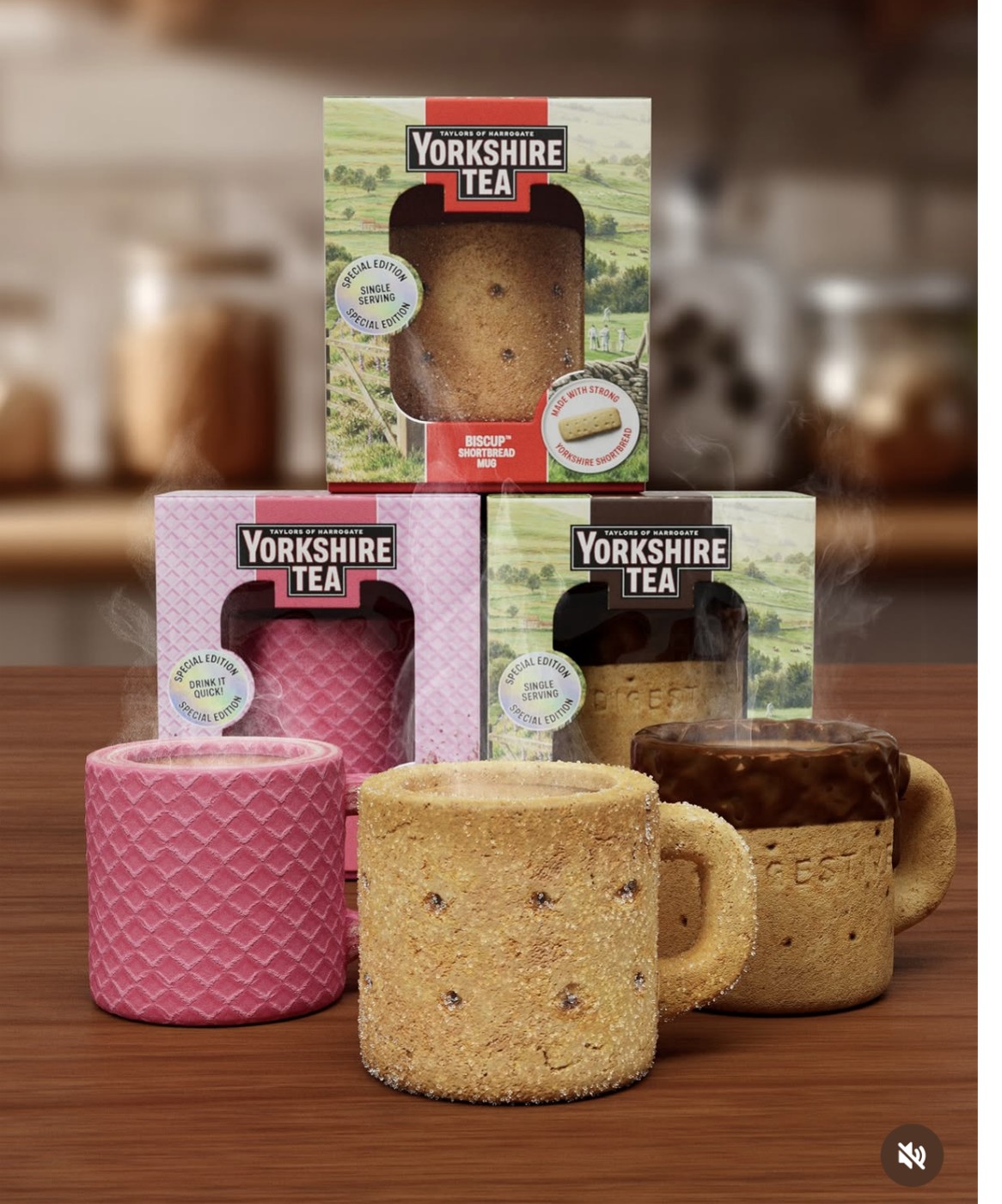
Play-Doh leaned into one of it's most iconic sensory cues - that unmistakable just-opened-aroma by turning it into a wearable fragrance, pitched as a whimsical nostalgia hit for childhood-loving adults.
Why it worked: It took something audiences already associate with the brand (the scent) and turned it into an unexpected category that still made sense. 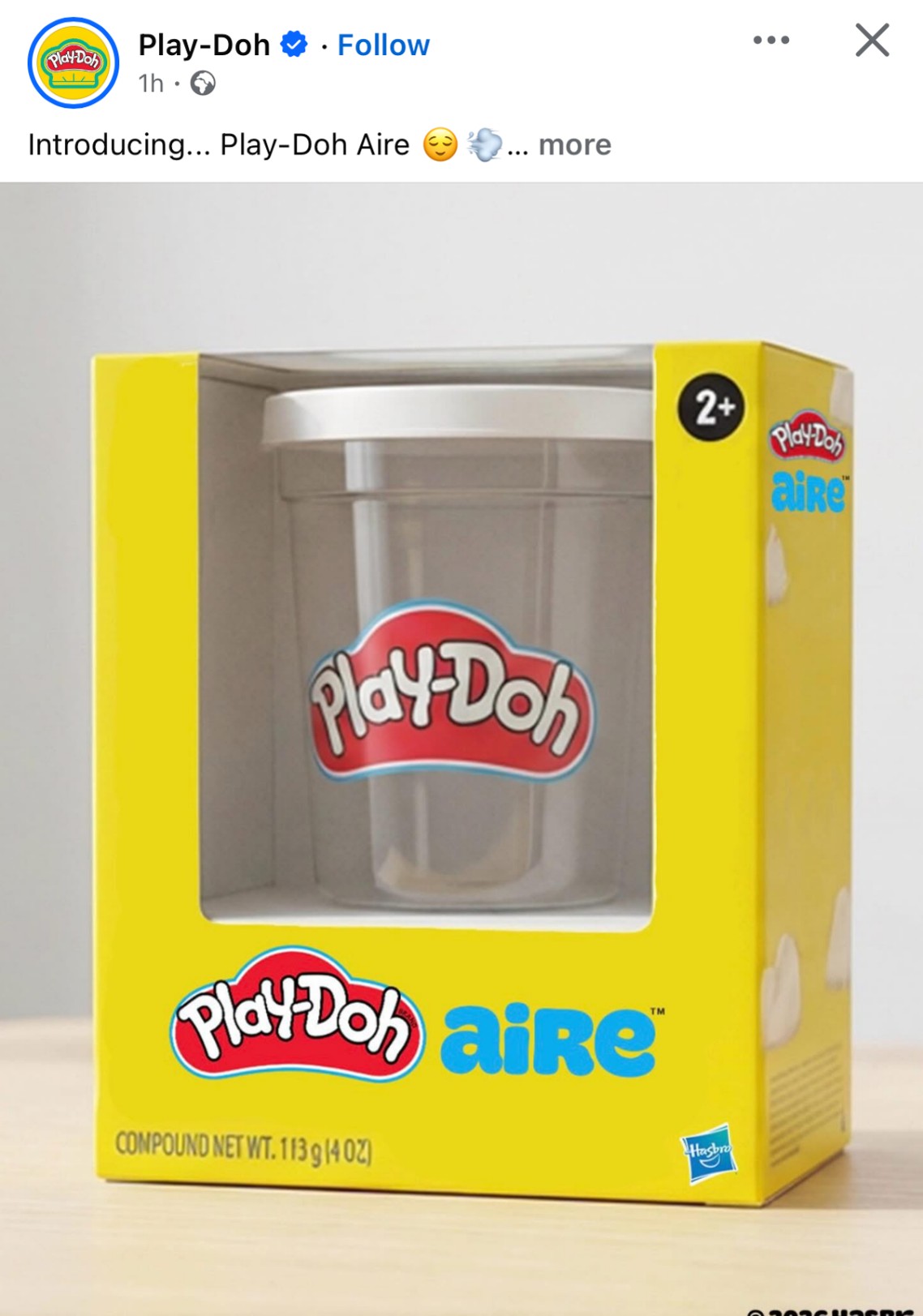
The KitKat heist: when reactive humour created a cultural moment
Following the theft of a 12-ton shipment of KitKats – approximately 413,793 bars – while in transit between Italy and Poland in late March, the timing couldn’t have been better for April Fools’ content.
Rather than inventing standalone pranks, many brands smartly leaned into the story, turning it into a shared cultural moment.
Domino’s UK
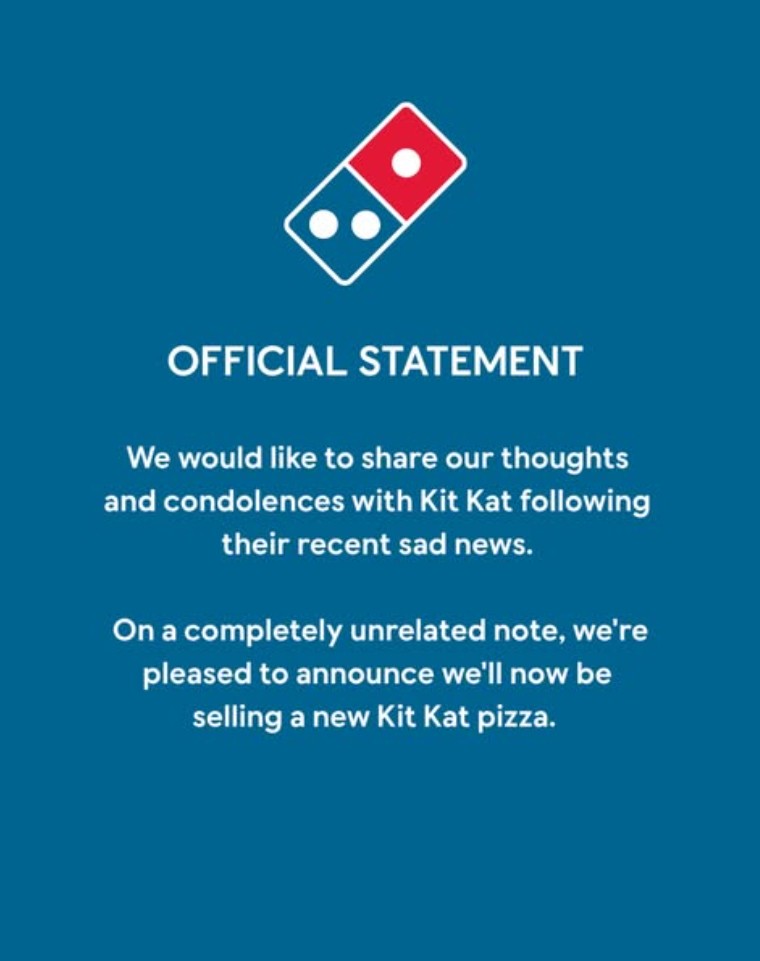
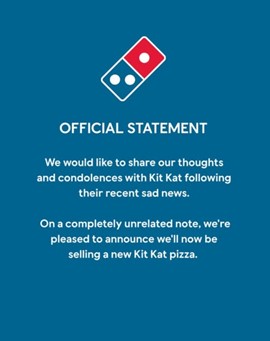
Domino’s issued a mock condolence statement before announcing a completely unrelate KitKat pizza. As one of the first brands to respond, it helped set the tone for what followed.
Why it worked: Fast, reactive humour delivered in a format audiences will instantly recognise. This was a masterclass in cultural participation rather than campaign creation.
Compared to typical April Fools’ content, this was reactive humour at its best – and a reminder that sometimes the smartest move is joining the conversation rather than starting a new one.
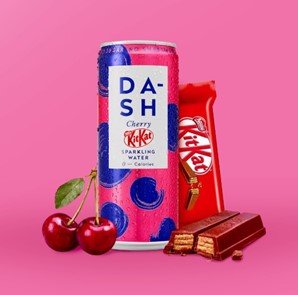
Dash Drinks - KitKat Water
Dash Drinks joined the cultural moment by launching a KitKat‑flavoured water, playfully extending the conversation sparked by the widely shared KitKat heist.
Why it worked: It was fast, reactive and culturally fluent. Rather than forcing an original prank, Dash tapped into a story audiences were already enjoying and added a light‑touch twist that felt true to the brand’s irreverent, flavour‑led personality.
What 2026 taught us about April Fools’ marketing
Looking ahead this year’s stand-out campaigns, a few clear themes emerged:
- Clarity beats chaos: The strongest campaigns made it obvious they were jokes, while still full committing to the idea
- Brand truth matters: Humour landed best when it amplified existing brand positioning rather than contradicting it
- Efforts shows: Well-designed assets, realistic mock-ups and thoughtful copy made even simple ideas feel premium
- Respect the audience: The most successful brands trusted their audience to ‘get it’ without resorting to clickbait or misdirection
April Fools’ Day isn’t about being the loudest or most outrageous brand in the feed. It’s about showing personality, cultural awareness and confidence, without compromising trust.
The brands that nailed it in 2026 provided that when humour is grounded in insight and executed with care, it can be a powerful way to connect.
Written by Annabel Elliott-Browning, Vice Chair Communications, Greater London Region