

Brands today operate in an environment where trust is fragile, and scrutiny is constant. Consumers, communities and policymakers increasingly expect organisations to behave as responsible citizens and to think beyond profits. At CIM Scotland’s January Social event, Alastair Stewart, Account Director at Orbit Communications, explored how organisations can create a positive narrative at a time when doing the right thing is no longer optional, but expected.
How Can You Power Change?
Using the renewable energy sector as a powerful case study, Stewart showed how quickly a positive story can become contested. Scotland’s journey from hydro power in the mid twentieth century to the rapid expansion of wind energy has often been held up as a global success. Renewables have delivered jobs, investment and major progress towards net zero.
Yet, as Stewart outlined, that same success has also led to saturation, fatigue and resistance in some local communities, particularly in rural areas where new developments are most visible. Complaints include the impact on property values, Nimbyism (not in my back yard…), health fears and more – so what is the solution?
This shift in opinion matters for marketers because it highlights that a project, campaign or brand exists in a vacuum. National conversations, media narratives and community sentiment all shape how activity is received. Social media and AI-generated objections amplify both negative and positive voices, making it harder for organisations to rely solely on traditional consultation or corporate messaging.
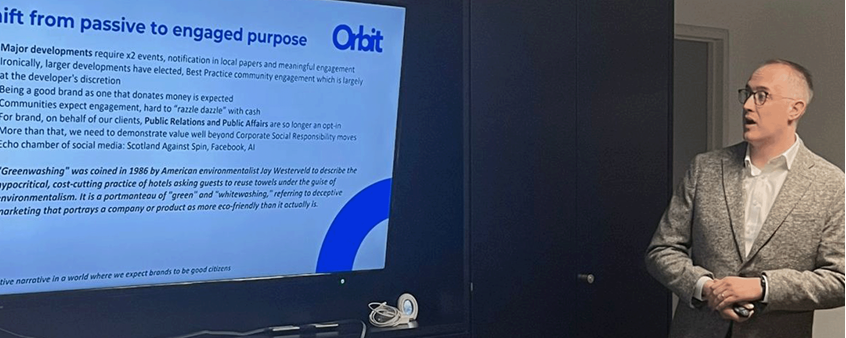
A key learning from Stewart’s talk was that being a “good brand” is now a baseline expectation. In earlier phases of wind farm development, community benefit often took the form of ad hoc payments or one-off gestures. Over time, this evolved into more structured community benefit funds, with clear guidance and long-term financial commitments. While this professionalisation improved consistency, it also raised expectations. Communities no longer see financial contribution as a differentiator. They expect meaningful engagement, transparency and a genuine understanding of local needs.
The Need for Active Purpose
For marketers, this marks a shift from passive corporate social responsibility to active, engaged purpose. Stewart emphasised that public relations and public affairs are no longer optional add-ons. They are core to how organisations demonstrate value, build consent and maintain trust. Importantly, this goes beyond polished storytelling. Vague claims, buzzwords and surface-level sustainability messages risk accusations of greenwashing, which can erode credibility and lead to further backlashes.
Instead, Stewart outlined the importance of a clear communications framework with defined values. Brands need to be consistent, open about challenges as well as progress, and prepared to evidence their claims. Transparency, third-party validation and local context all help bridge the gap between national ambition and community experience.
Proactive communication also plays a critical role. Rather than reacting defensively to criticism, organisations should shape the narrative early. That means informing local stakeholders, engaging elected representatives, and clearly showcasing the benefits and the trade-offs of a project. It also means being visible and accessible: from face-to-face events to responsive media relations.
What does this mean for marketers?
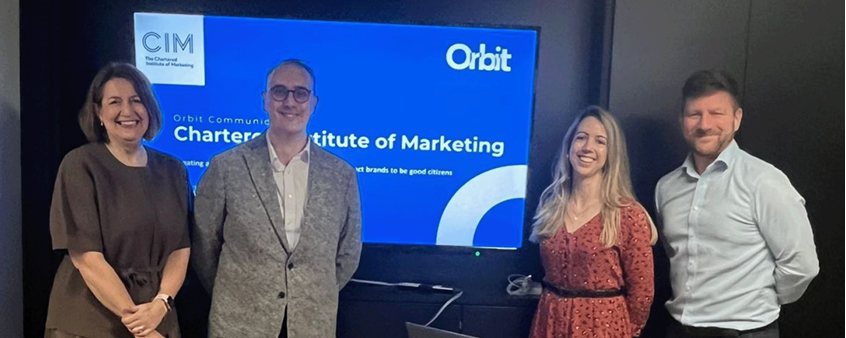
Stewart’s message is transferable to all industries, not just utilities. Creating a tailored approach that is based in research and local insight will be more effective than a generic framework and will help build a stronger brand legacy and positive impact.
Whether it is a retailer, a tech company or a professional services firm, the principle is the same: people now expect brands to be present, accountable and genuinely invested in local needs. A sustained partnership or programme builds far more credibility than occasional acts of corporate goodwill, and it helps organisations demonstrate that their purpose is lived rather than stated.
The idea of engaging early is also widely transferable. Narratives can be quickly shaped by misinformation or fatigue, and this applies to everything from product changes to new developments and service updates. By involving stakeholders from the outset, being transparent about challenges, and communicating trade-offs clearly, brands can reduce resistance and build trust before criticism takes hold.
In a world where brands are expected to be good citizens, trust is now earned through action (not words), and marketing plays a central role in making that change.